Infrared therapy is something that comes up frequently in conversations about saunas, recovery tools, and wellness technology. Despite this, many people are not entirely clear on what the term actually means.
Although it is most commonly associated with infrared saunas, infrared energy is used in a range of devices designed to deliver heat in a different way than more traditional methods.
Understanding the basic idea behind infrared helps place it into a more practical context.
Understanding Infrared Energy
Infrared is a form of light that sits just outside the visible spectrum. While it cannot be seen, it is something we experience naturally as heat.
Sunlight is a simple example. Even when the surrounding air feels cool, standing in direct sunlight can create a noticeable sensation of warmth. That feeling is largely influenced by infrared energy.
Infrared is therefore not an artificial concept, but part of the natural light spectrum.
How Infrared Heat Differs from Traditional Heat
Traditional heat sources such as steam rooms or conventional saunas work by increasing the temperature of the surrounding air. The body then warms through exposure to that heated environment.
Infrared heat works differently.
Rather than primarily heating the air, the energy interacts more directly with the body. This often creates a heat experience that feels different from conventional high temperature settings.
Many people describe it as a milder or more gradual sensation of warmth. Temperatures are often lower than those found in traditional saunas, yet the feeling of heat can still be substantial.
This distinction is one of the reasons infrared systems have drawn increasing interest.
Common Forms of Infrared Therapy
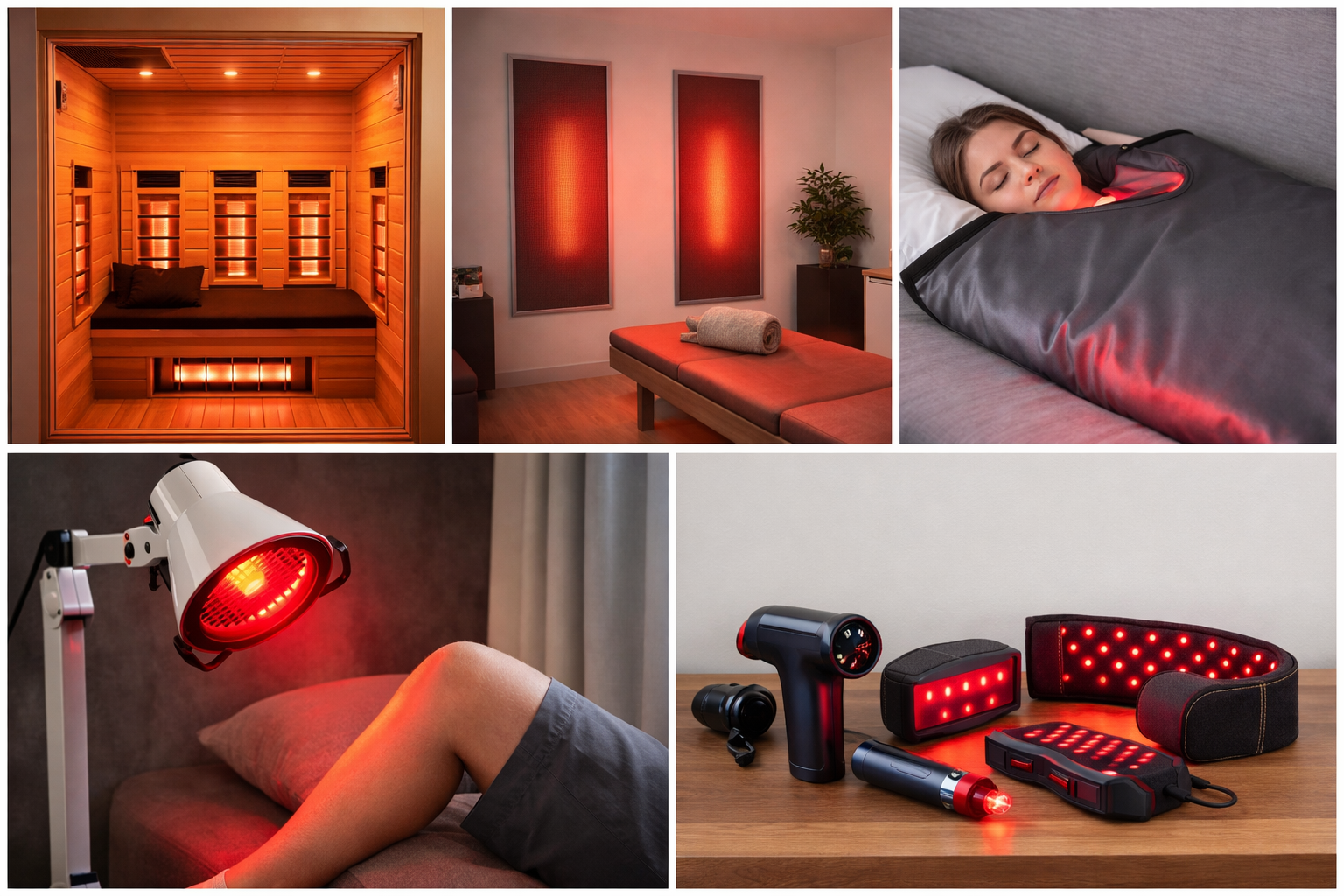
Infrared energy appears in a variety of devices.
Infrared saunas
Infrared panels
Infrared blankets
Localized infrared lamps
Recovery focused infrared tools
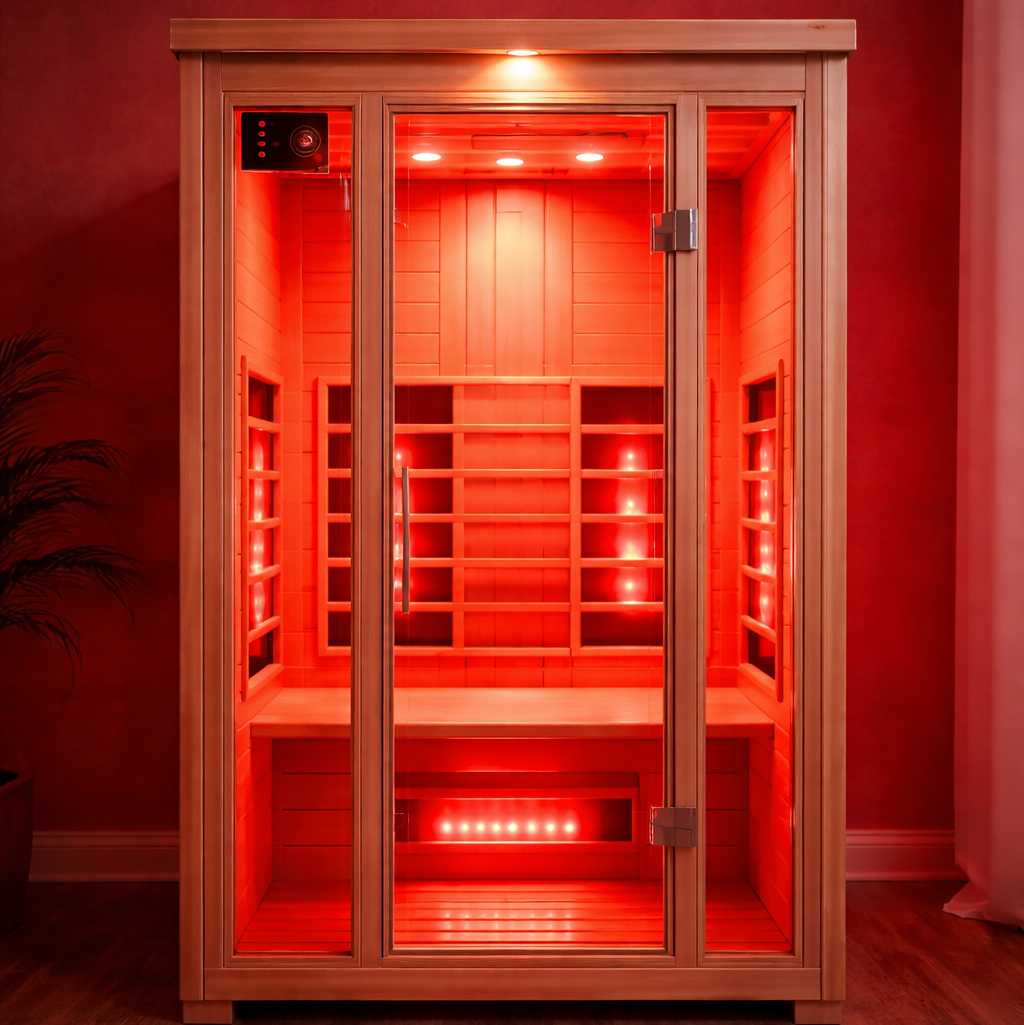
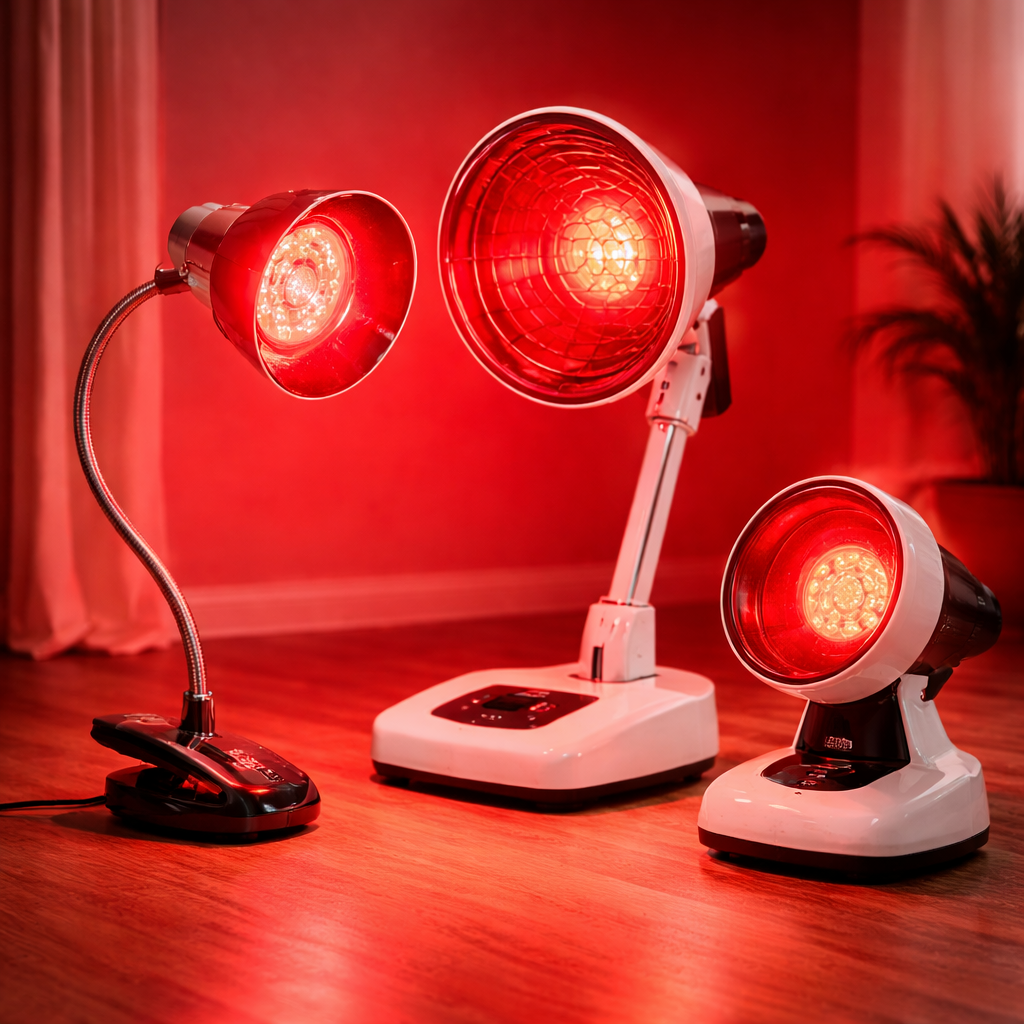

While the delivery methods vary, the underlying principle remains the same. Heat is provided through infrared energy rather than conventional heating systems.
Why People Explore Infrared Therapy
For many individuals, the appeal of infrared therapy is largely experiential.
Some people prefer lower ambient temperatures. Others find the sensation of heat easier to tolerate compared with more intense environments.
Infrared therapy is commonly included in routines centred around relaxation, comfort, and general wellbeing rather than approached as a medical intervention.
As with most heat based practices, individual responses can vary.
Infrared and the Recovery Conversation
In recovery focused discussions, infrared therapy is often compared with other heat based approaches.
Heat exposure has long been associated with relaxation and comfort, so infrared systems are frequently viewed as another way to introduce warmth into a routine.
For many people, the appeal tends to relate to lower surrounding temperatures, perceived comfort, and practicality in home setups.
Infrared vs Traditional Heat Approaches
Neither approach is inherently better. They simply produce different experiences.
Traditional heat typically involves higher air temperatures and a more intense ambient environment.
Infrared heat generally operates at lower air temperatures, with warmth often perceived as more direct.
Personal preference, tolerance, and environment usually influence which people gravitate towards.
Where Infrared Therapy Fits in a Routine
Infrared therapy is often used alongside other recovery and wellbeing practices such as sauna use, cold exposure, mobility work, relaxation routines, and general lifestyle habits.
Rather than replacing other methods, it commonly becomes another option within a broader mix of practices.
Final Thoughts
Infrared therapy is best understood as a different way of delivering heat. Its growing visibility largely reflects changing preferences in how people approach warmth, relaxation, and recovery oriented routines.
Like many wellness tools, the experience is highly individual. What feels comfortable or beneficial for one person may differ for another.