Hyperbaric oxygen therapy and sauna use are often mentioned in recovery and wellness discussions. While they operate through very different mechanisms, people frequently wonder which approach makes more sense for their own routine.
There is rarely a universal answer. The decision usually comes down to preference, accessibility, and the type of experience a person is looking for.
Understanding the Core Difference
The most important distinction is straightforward.
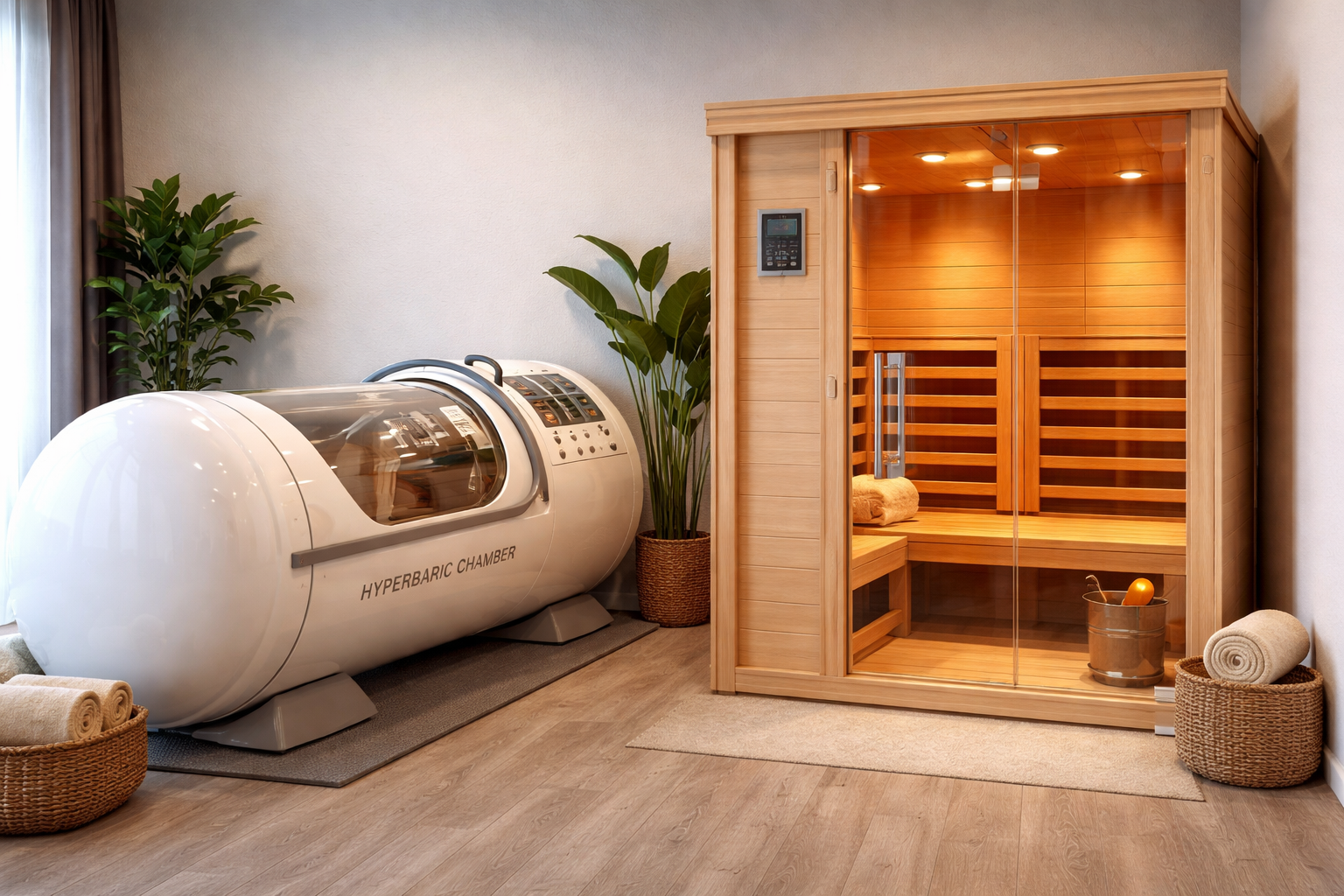
HBOT centres on oxygen delivered in a pressurised environment.
Saunas centre on heat exposure.
Because of this, the two approaches create very different experiences rather than interchangeable ones.
When People Tend to Explore HBOT
HBOT is often explored by individuals who are curious about oxygen-focused therapies or structured recovery sessions.
Sessions typically involve lying down and remaining still inside a chamber. The experience is generally quiet and passive.
For some, this environment feels comfortable and calming. For others, the enclosed setting may feel unfamiliar at first.
When People Tend to Explore Sauna Use
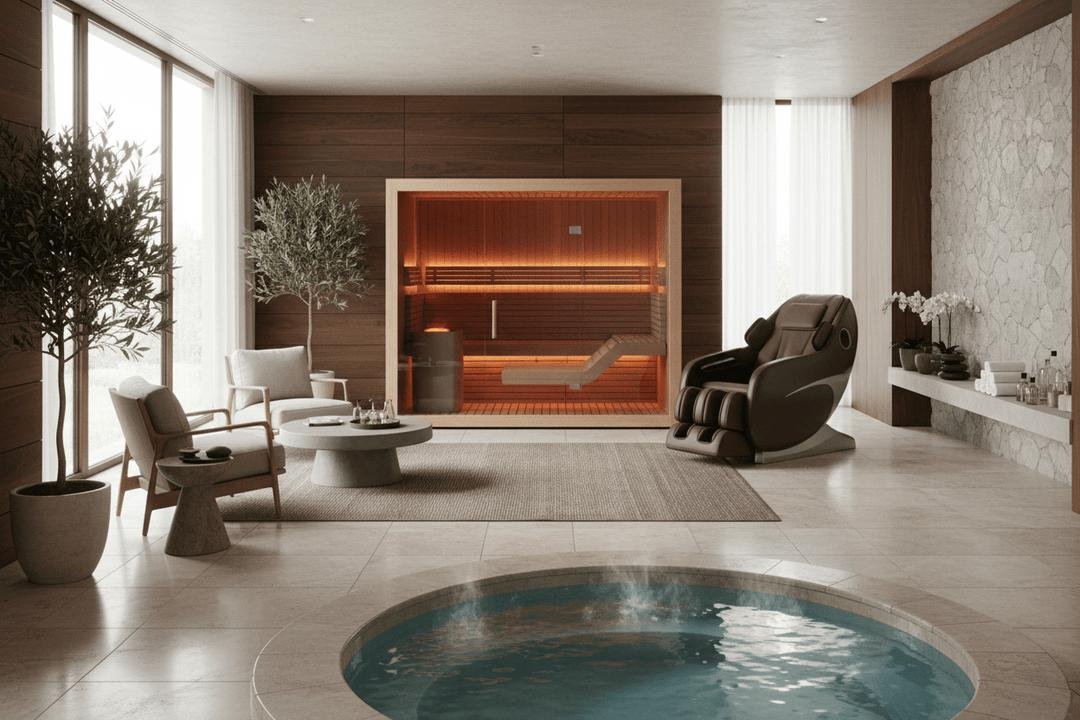
Saunas are commonly explored for reasons tied to warmth and relaxation.
Heat exposure, perspiration, and the surrounding environment define the experience.
Many people associate sauna sessions with unwinding, stress relief, or post-exercise routines.
Practical Considerations
For most people, logistics play an important role.
HBOT:
✔ Requires specialised equipment
✔ Available in clinical and home settings
✔ Structured sessions
Sauna:
✔ More widely accessible
✔ Easier home integration
✔ Familiar heat experience
Availability and convenience often influence the decision as much as anything else.
Experience and Preference
Some individuals prefer passive recovery environments.
Others prefer sensory experiences involving heat and warmth.
Comfort and enjoyment frequently determine consistency, which tends to matter more than any single session.
Using Both Approaches
Because HBOT and sauna use serve different roles, some people choose to include both within a broader recovery routine.
Rather than competing tools, they are often viewed as separate options that support different preferences and contexts.
Having Access at Home
Having access to either option at home can change how often it gets used.
The main difference comes down to convenience. If something is easy to use and part of the environment, it is more likely to become part of a routine rather than something used occasionally.
Both HBOT and sauna setups can be adapted for home use depending on space and preference, which often plays a role in long term consistency.
Final Thoughts
Choosing between HBOT and sauna use is rarely about identifying a superior option.
It is more often about selecting the approach that fits comfortably into a person’s lifestyle, environment, and preferences.
Consistency and practicality usually outweigh theoretical comparisons.