When soreness shows up, it often comes with a simple question. Should I use heat or ice?
That question might come from neck tension after a long day, back stiffness after being active, or tired knees after walking or hiking. The answer is not always the same, and it usually depends on how your body feels in that moment. This guide offers straightforward, everyday guidance. Nothing extreme. Just calm support to help you choose what feels right.
If you want a broader overview first, you can read our guide on Heat vs Ice for Recovery: What Actually Helps.
When to use heat vs ice
A simple rule of thumb many people find helpful:
Heat often feels best when muscles feel stiff, tight, or tense.
Ice often feels best when an area feels sensitive, irritated, or overworked.
Heat tends to support comfort and relaxation.
Ice tends to support calming and settling.
Always start gently and notice how your body responds.
Heat vs ice for neck tension
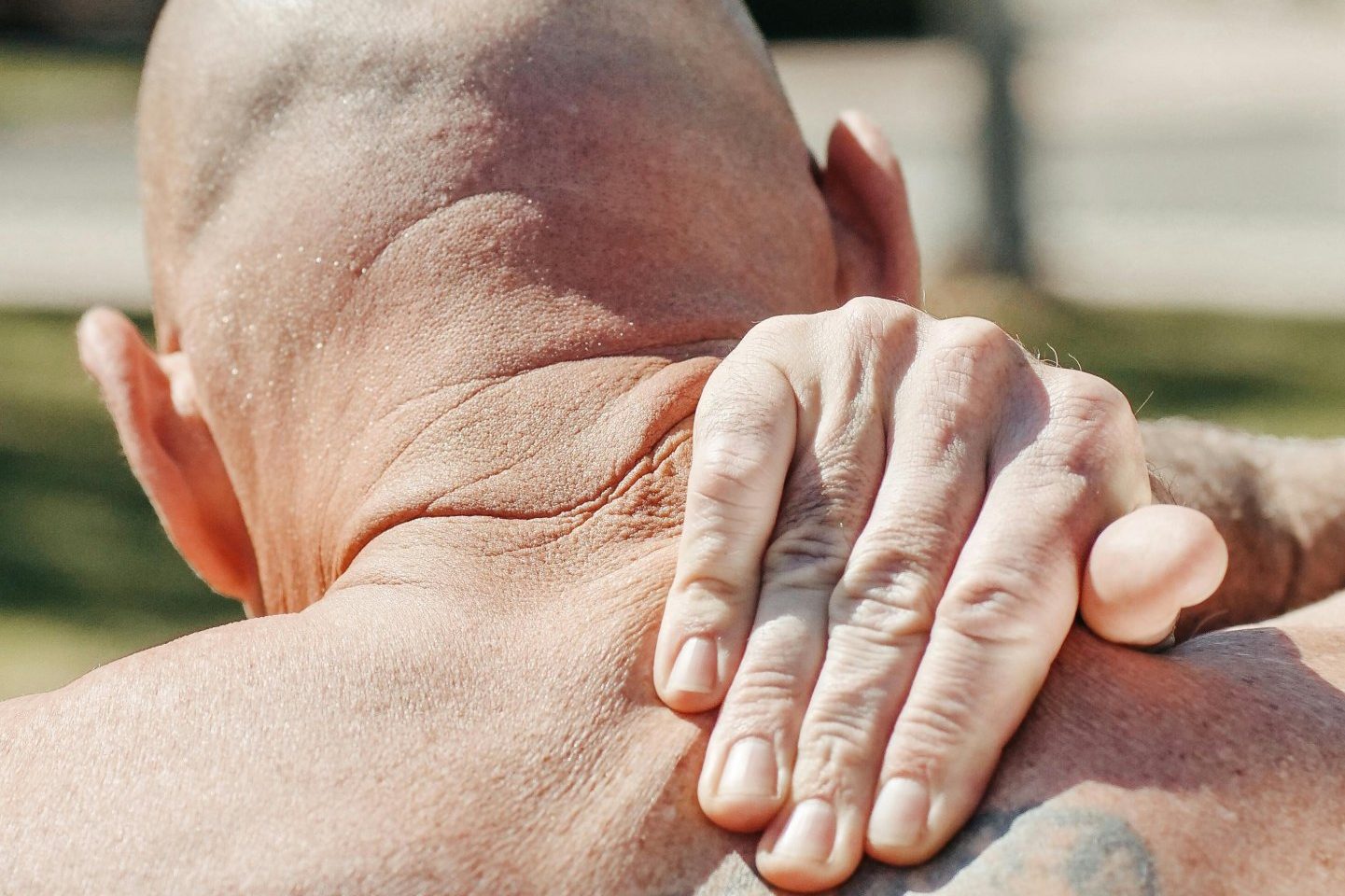
Neck tension is commonly linked to desk work, looking down at screens, or general stress.
Heat may feel helpful when the neck feels tight, stiff, or tense. A warm pack or warm shower for 10 to 15 minutes can help the area feel more relaxed.
Ice may feel helpful when the neck feels sensitive after unusual strain, such as sleeping in an awkward position or sudden movement.
Some people find it helpful to use ice briefly to calm the area, followed by heat later to ease stiffness.
Heat vs Ice for back discomfort
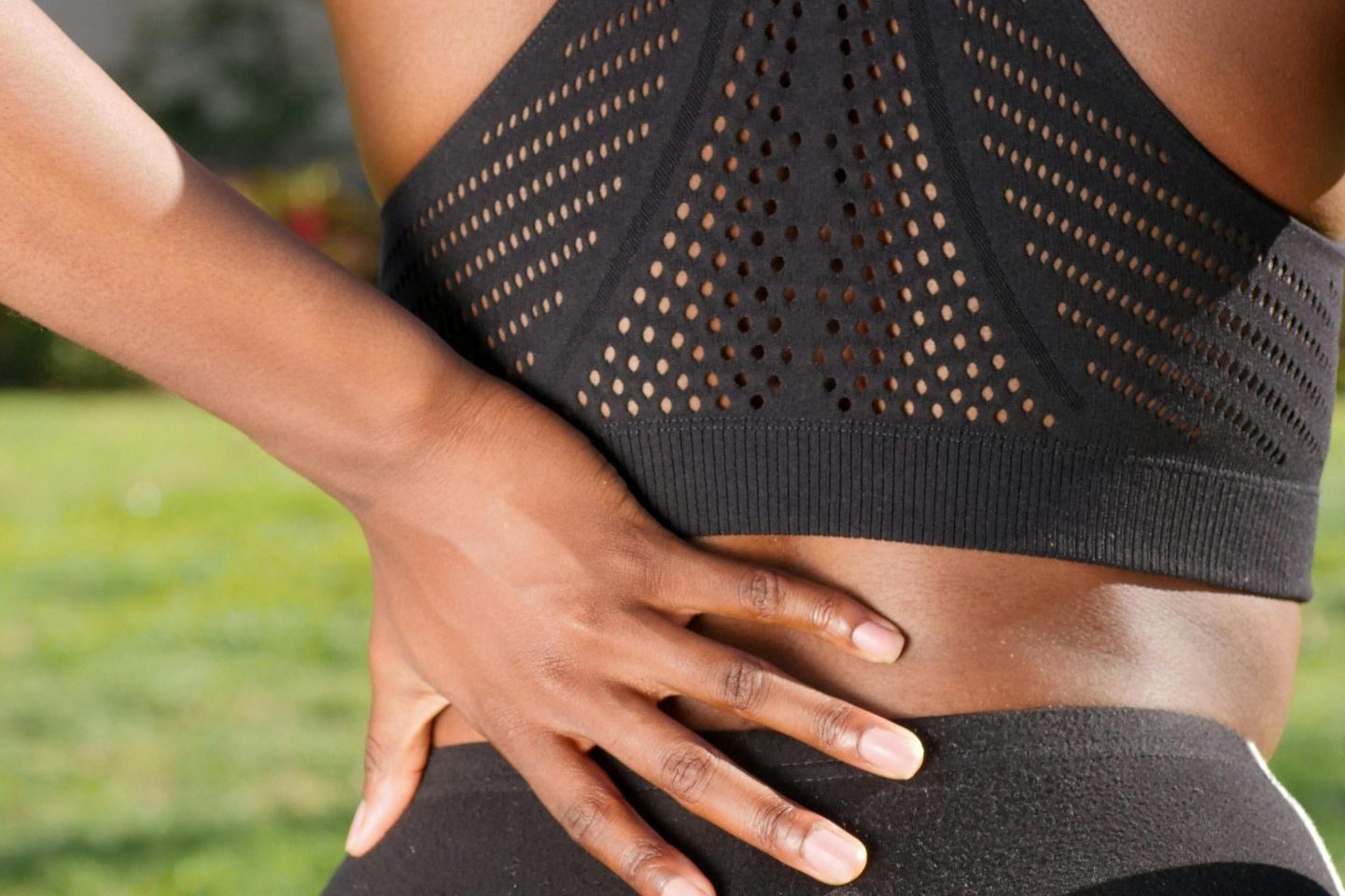
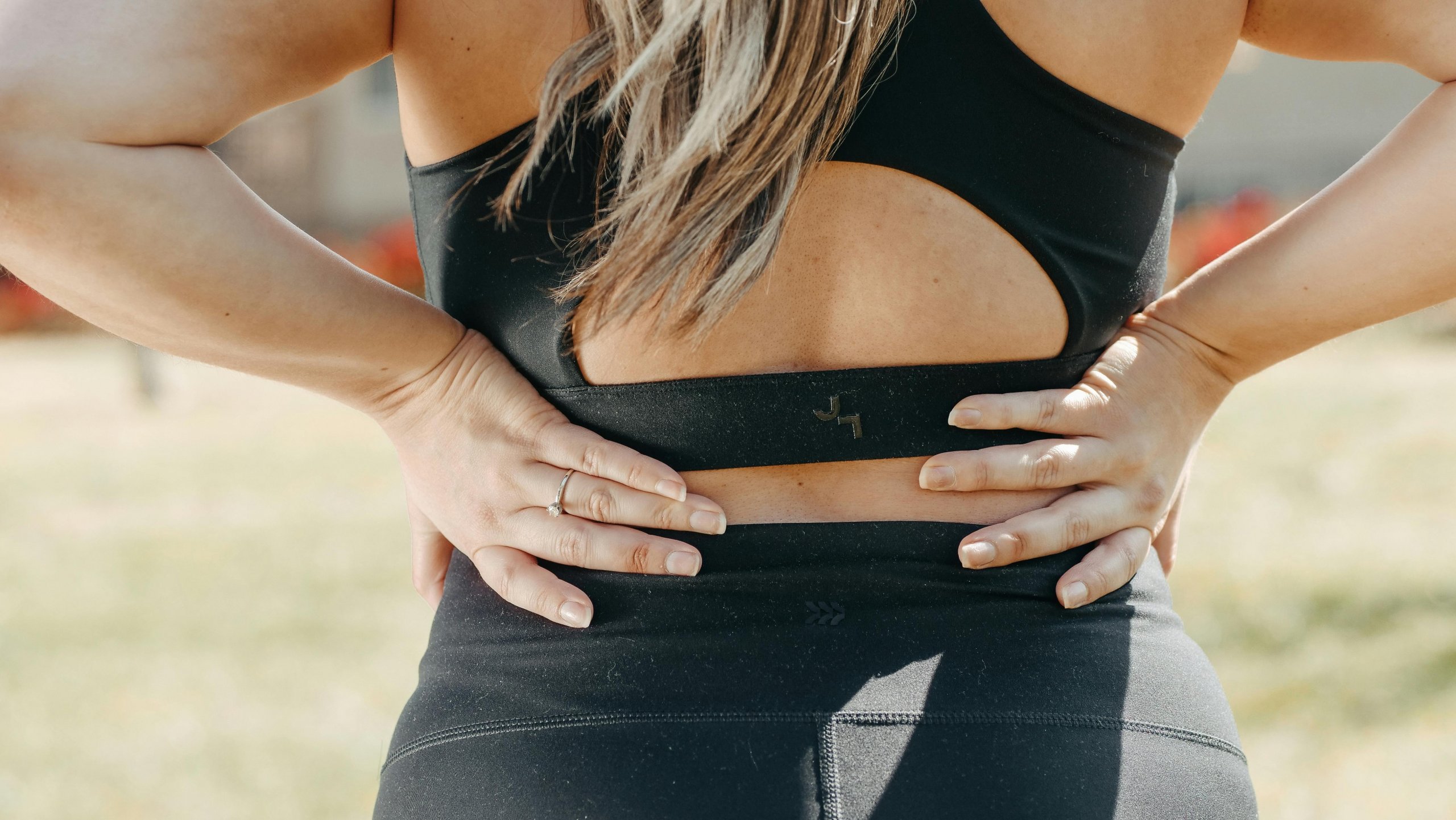
Back discomfort can feel different from day to day, which is why people often search for guidance on ice vs heat for back pain.
Heat may feel helpful when the back feels stiff or tight, especially in the morning or after long periods of sitting.
Ice may feel helpful when the back feels irritated or sensitive after physical activity such as hiking, running, or lifting.
The goal is comfort, not intensity. Short, gentle sessions are usually enough.
Heat or ice for sore knees

Knees are one of the most searched areas when it comes to heat vs ice.
Heat may feel helpful when knees feel stiff, especially after sitting or first thing in the morning.
Ice may feel helpful when knees feel worked or sensitive after long walks, runs, or hikes.
Most people find sessions of 10 to 15 minutes work well and can be repeated up to a few times per day if needed.
Heat pack vs ice pack: what matters most
Many people ask about heat packs vs ice packs, but a few simple guidelines matter more than the type or brand.
Use a cloth or towel between the pack and your skin.
Keep sessions short, around 10 to 15 minutes.
Pay attention to how the area feels during and after.
If something feels uncomfortable, stop and allow the area to rest.
Common questions people ask
When should I use heat?
Heat is often chosen for stiffness, tightness, or tension.
When should I use ice?
Ice is often chosen for sensitivity or irritation after activity.
Can I use both heat and ice?
Some people use ice first to calm an area, then heat later to relax muscles. Always listen to how your body responds.
A simple checklist
Before you start, ask yourself:
Does this feel like stiffness or tightness? Try heat.
Does this feel sensitive or overworked? Try ice.
Does it feel better after 10 to 15 minutes?
If it feels better, you can repeat gently.
If it does not, stop and rest.
Final thought
There is no single right answer for everyone. The most supportive approach is to start gently, notice how your body responds, and adjust from there.
Recovery does not need to be complicated to be effective.