Sauna use has been part of different cultures for a long time, but today many people are exploring it as something that fits into normal routines rather than special occasions.
For most, sauna isn’t about chasing results. It’s about warmth, stillness, and stepping out of the day for a short period of time.
Why people return to sauna
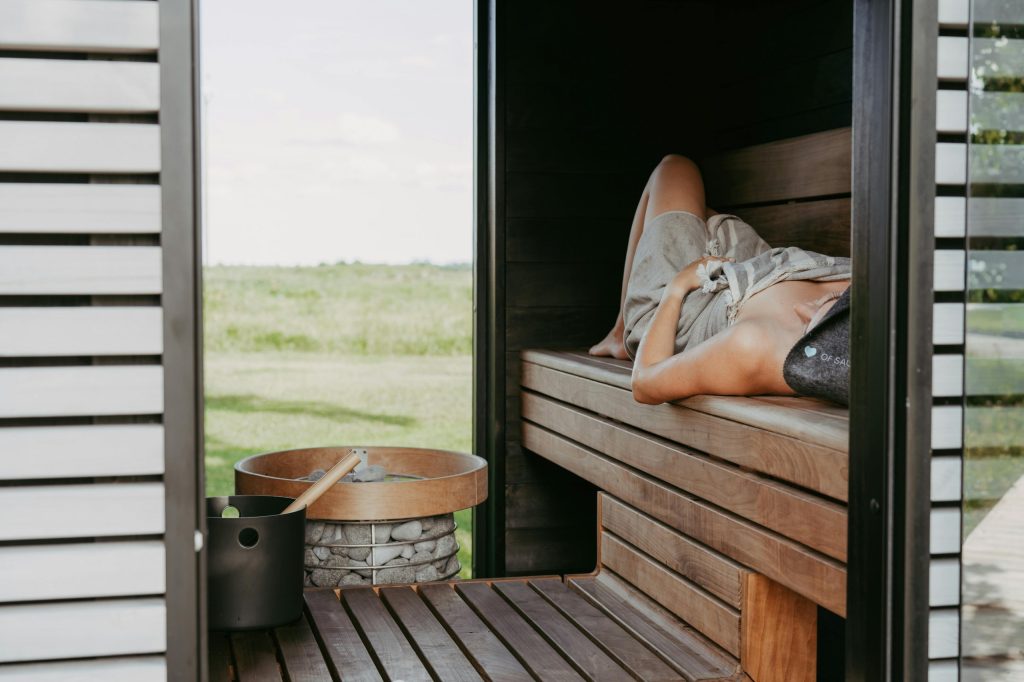
For many people, the appeal of sauna is simple. It creates a space where there’s nothing to do except sit, warm up, and breathe.
The heat naturally slows things down. Breathing changes. The body settles. Even short sessions can feel like a reset, especially after a long or demanding day.
This is often why sauna becomes something people return to, rather than something they try once and move on from.
Using sauna around training and movement
From my own experience, sauna has fit into training in different ways.
Sometimes I’ll use it after a hard workout. Other times after a lighter session. There are evenings where I’ll go to the gym mainly to use the sauna, especially later in the day when the aim is to wind down rather than do more.
The heat, the sweating, and the need to stay hydrated make it feel like a form of recovery rather than another task.
Sauna during rest and injury periods
I’ve also used sauna during periods where training wasn’t possible.
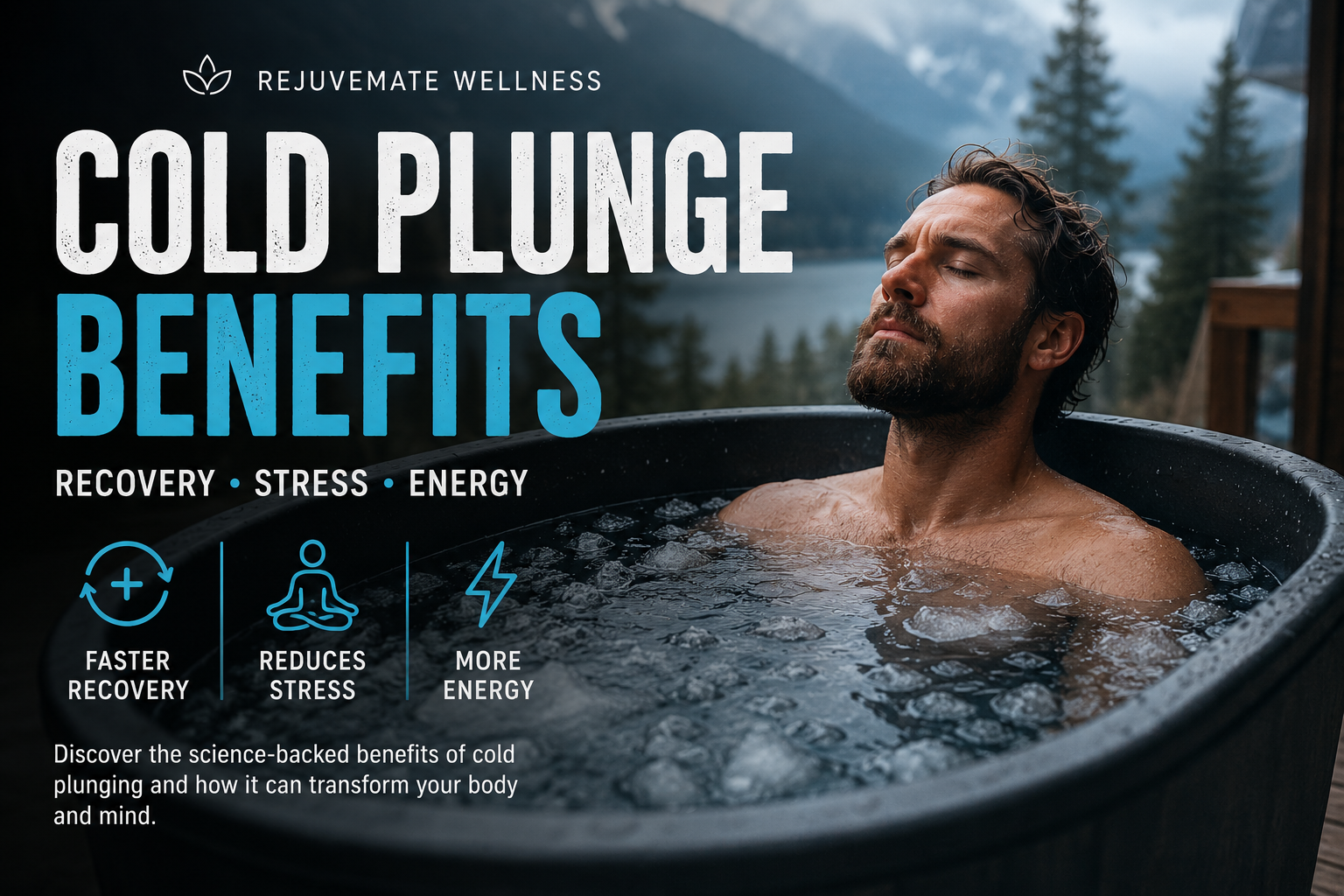
During injury or forced rest, sitting quietly in the heat gave me a way to stay connected to recovery without pushing the body. At times, I’ve paired sauna with a brief cold plunge before returning to the heat.
I once spoke to someone at a spa in Canada who shared that alternating heat and cold had been part of their Indigenous family traditions for generations. Whether or not those stories carry scientific weight, the idea of using temperature to support the body rather than fight it stayed with me.
The value of stillness
What stands out most for me isn’t just the physical side of sauna. It’s the stillness.
Sitting in a warm, enclosed space removes distraction. Phones are left outside. There’s nowhere else to be. You’re forced to slow down and just breathe.
That pause alone feels valuable, especially in a world that rarely encourages stopping.
Why intensity is not the goal
There’s something quietly satisfying about finishing a sauna session.
You haven’t exhausted your body through training, but you’ve stayed present in a warm, sometimes intense environment and come out the other side feeling lighter. On rest days, that feeling of having done something positive for your health without overloading the body really matters.
Shorter, more manageable sessions tend to fit better into real life than long, demanding ones.
How sauna fits alongside other recovery tools
Most people don’t use sauna on its own.
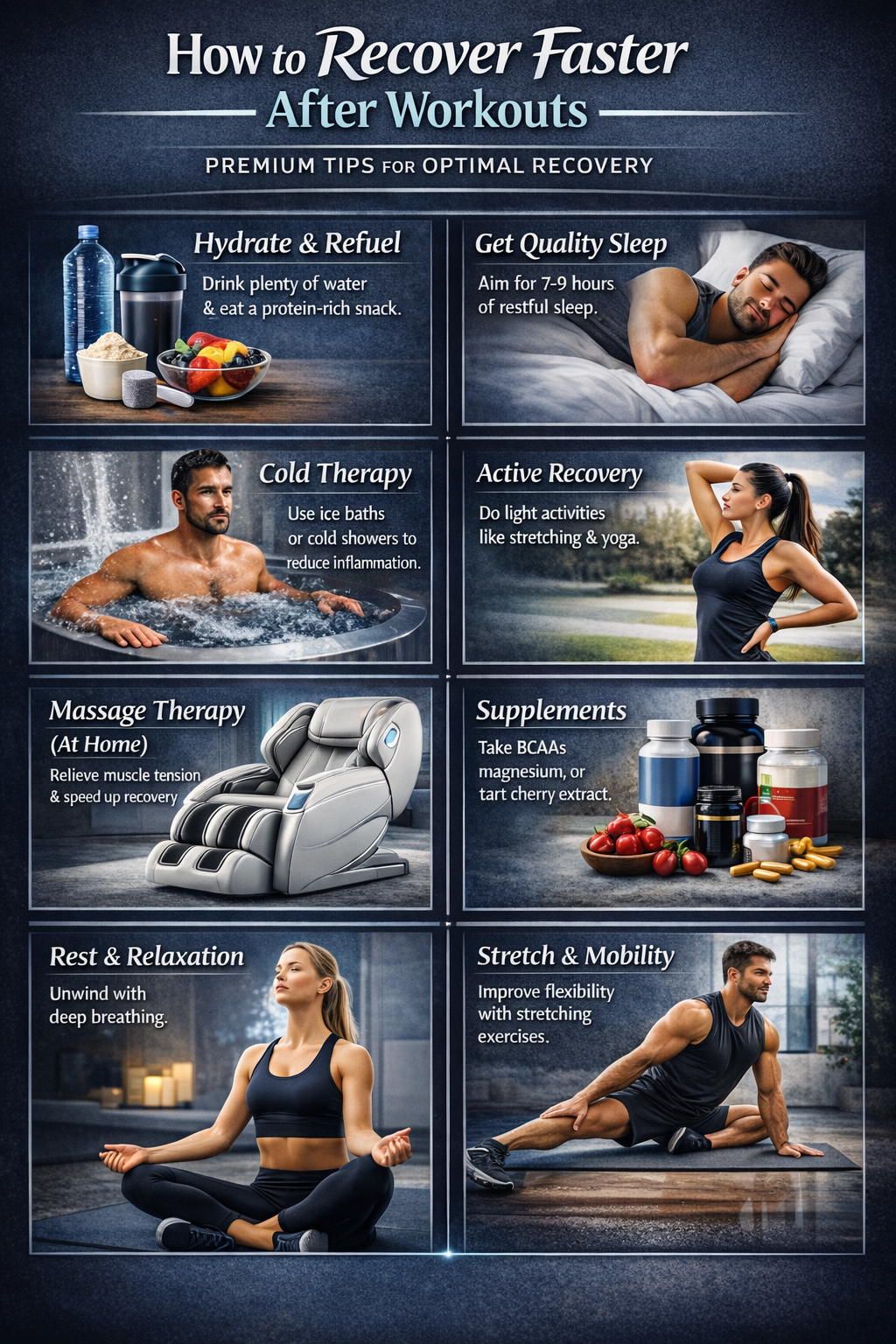
It’s often part of a wider recovery approach that includes sleep, rest days, movement, and stress management. Sauna supports recovery rather than replacing anything else.
If you’re exploring heat-based recovery, you may find our comparison of infrared sauna vs traditional sauna helpful. And if you’re deciding when heat or cold feels more appropriate, our guide on heat vs ice for recovery offers a simple place to start.
A grounded way to think about sauna
For most people, sauna isn’t about pushing limits or chasing extremes.
It’s about creating regular space to warm up, slow down, and feel more settled in the body. When it fits naturally into life, sauna becomes less of an event and more of a supportive habit.
Closing thought
How people use sauna often changes over time.
What matters most is whether it feels supportive, realistic, and easy to return to. When that’s the case, sauna tends to support recovery in a way that lasts.