Saunas have been used for a long time as a way to slow down and warm the body. More recently, infrared saunas have become more common, which has led many people to ask what the difference really is and which option makes sense for them.
There is no better or worse option overall. The difference is mostly about how the heat feels and how it fits into daily life.
This post looks at both in a simple, practical way.
What a traditional sauna feels like

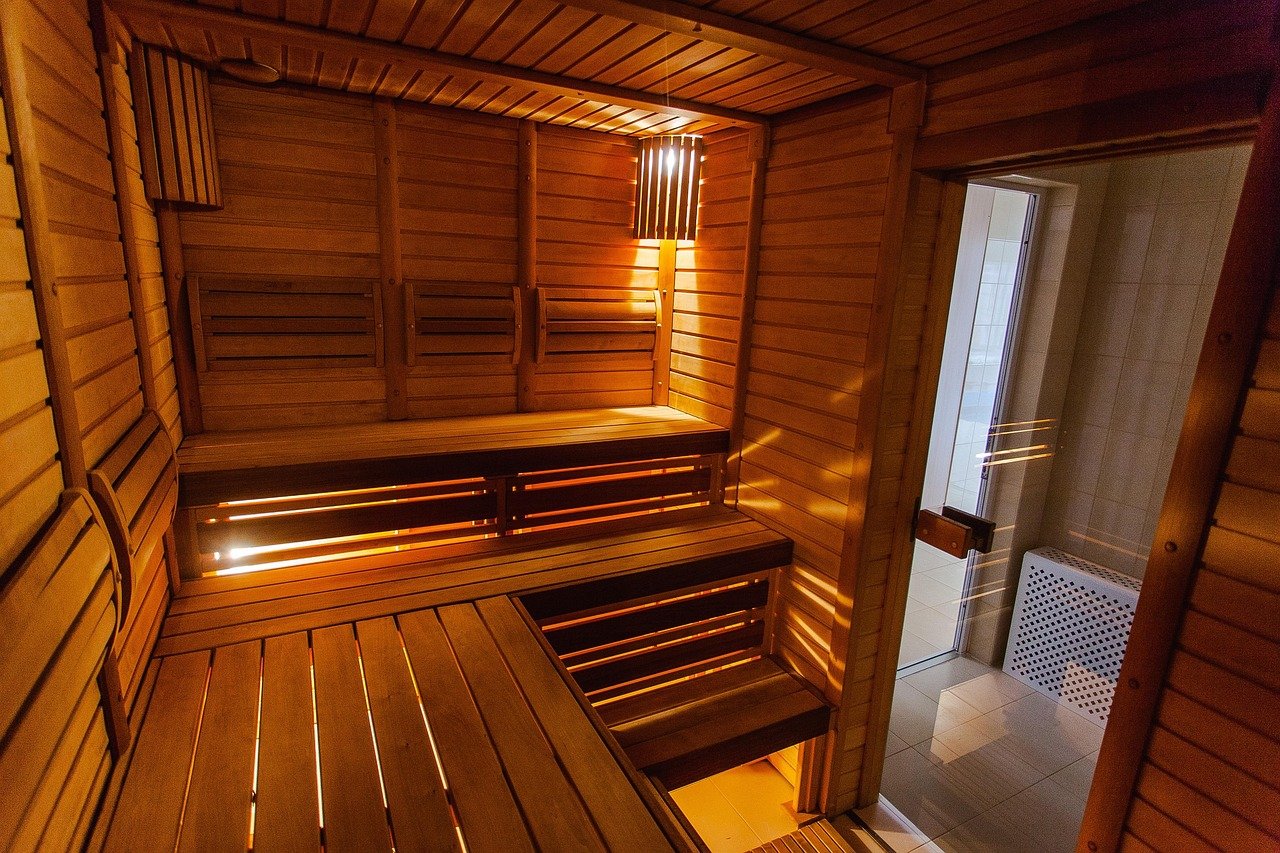
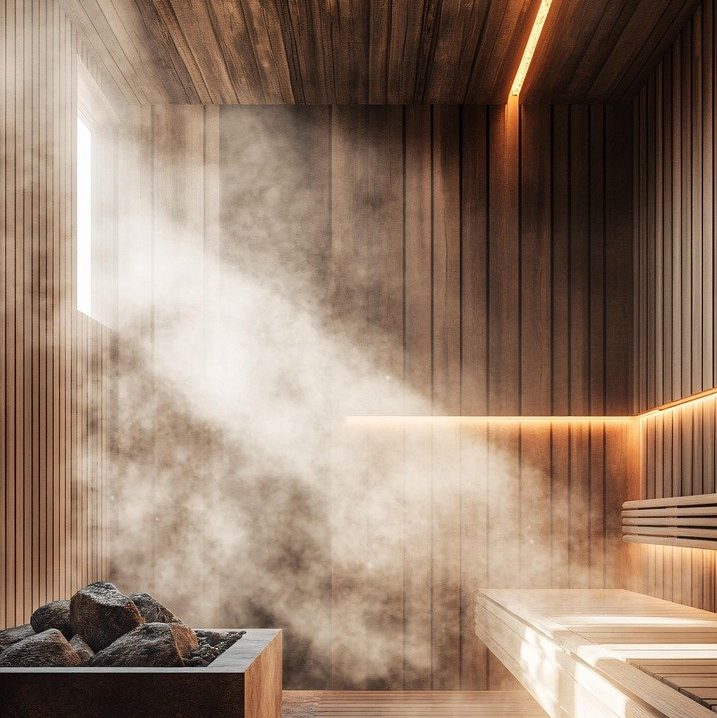
A traditional sauna heats the air around you. As the room warms, your body follows and sweating begins naturally.
At first the heat can feel strong. After a few minutes many people notice their breathing slow and their muscles begin to relax.
Traditional saunas are often described as:
- Hot and full body
- Still and quiet once you settle in
- Something that encourages you to pause
For some people this kind of heat feels deeply relaxing. For others it can feel like too much.
What an infrared sauna feels like
Infrared saunas work differently. Instead of heating the air, the heat is directed more toward the body itself. Because of this the room temperature is usually lower.
Infrared saunas are often described as:
- More gentle
- Easier to sit with for longer periods
- Less intense overall
Many people find infrared heat easier to use regularly because it feels more gradual and manageable.
Why infrared and traditional heat feel different
The difference in how these saunas feel comes down to how heat is absorbed by the body.
Traditional saunas heat the air first. As the surrounding temperature rises, the body warms gradually from the outside in. This creates an intense, full-room heat that many people associate with classic sauna use.
Infrared saunas work differently. Instead of primarily heating the air, infrared panels emit radiant heat that is absorbed more directly by the body. Because of this, the room itself usually feels cooler, even though the body is warming.
Some people find this makes infrared sessions feel more manageable and easier to sit with for longer periods, while others prefer the stronger environmental heat of a traditional sauna.
How the difference shows up in everyday use

The right choice often depends on how your body feels on a given day.
A traditional sauna may feel right if you:
- Enjoy higher heat
- Prefer shorter sessions
- Like the feeling of strong warmth after activity
An infrared sauna may feel right if you:
- Prefer lower temperatures
- Want longer and calmer sessions
- Plan to use heat more frequently
Some people find both useful and choose based on how they feel.
Sauna use and cardiovascular health
One area that often comes up in sauna research is cardiovascular health. This is usually discussed in terms of how the body responds to heat rather than in terms of treatment or prevention.
When you sit in a sauna, your heart rate typically increases and blood vessels widen to help regulate body temperature. In some ways, this response can resemble the effects of light to moderate physical activity.
Because of this, regular sauna use has been studied for its association with cardiovascular markers such as circulation and heart function. It is important to understand that this research looks at patterns and associations, not guarantees or medical outcomes.
For many people, sauna use is viewed as a gentle way to support circulation and relaxation rather than as a replacement for movement or exercise.
Heat should feel supportive and manageable. If sauna use feels stressful or overwhelming, the potential benefits are likely reduced.
Traditional vs infrared sauna for heart and circulation

Both sauna types raise body temperature, but they do so differently.
Traditional saunas create a hotter overall environment, which may lead to a stronger cardiovascular response over a shorter period of time.
Infrared saunas tend to warm the body more gradually, which some people find easier to tolerate, especially for longer sessions.
Neither approach is better for everyone. Comfort and consistency matter more than intensity.
Which one supports recovery better?
There is no single answer that works for everyone.
The option that tends to support recovery best is the one that feels comfortable enough to use consistently. Heat should feel supportive and settling, not like something you need to push through. For many people, shorter and more comfortable sessions are often easier to maintain than longer sessions that feel intense or uncomfortable.
Heat is often used alongside other recovery tools. If you’re unsure when heat or cold feels more appropriate, our guide on when to use heat vs ice may be helpful. Some people also explore oxygen-based recovery tools alongside sauna use, and you may find our hyperbaric oxygen therapy guide useful for additional context.
A simple way to decide
If you are choosing between sauna types, it can help to ask:
- Do I relax into heat or tolerate it
- Do I want something strong or something gentle
- Will this feel supportive or demanding
Your answers often make the choice clearer.
Final thought
Traditional and infrared saunas can both support recovery when used in a way that feels calm and sustainable. The difference is less about which option is “better” and more about which one fits your body, lifestyle, and routine.
For most people, the sauna that supports recovery best is the one they can return to consistently, without forcing intensity or discomfort. When heat feels supportive rather than demanding, it’s more likely to become part of long-term recovery rather than something you push through occasionally.