Recovery isn’t about doing more. It’s about doing what supports your body best. When you pay attention to how you feel and adjust when needed, staying active can feel more natural and enjoyable.
Fortunately, recovery doesn’t need to be extreme to be effective.
Recovery supports progress, not weakness
Recovery is sometimes misunderstood as doing less or backing off. In reality, it’s what allows progress to happen. Training and activity create stress in the body. Recovery is the phase where the body repairs, strengthens, and adapts to that stress.
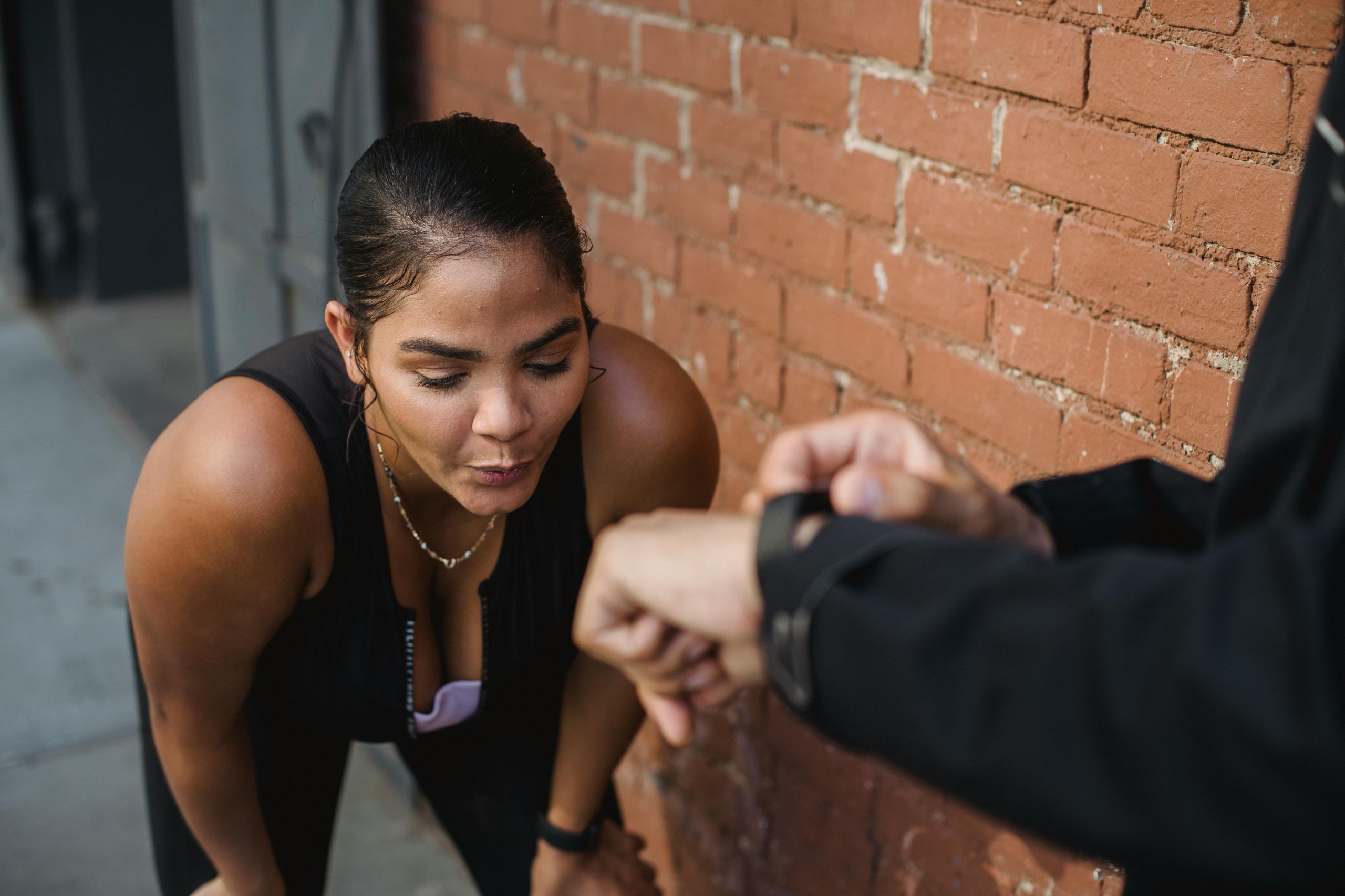
Without enough recovery, fatigue accumulates. Muscles stay tight, joints feel irritated, and small issues can slowly turn into bigger setbacks.
The cost of skipping recovery
In many cases, people only think about recovery once pain shows up. At that point, the body is often already compensating.
Common signs recovery is being missed include:
- Lingering soreness that doesn’t fully settle
- Stiffness that limits movement
- Decreased energy or motivation
- Repeated flare-ups in the same areas
These aren’t signs of weakness. They’re signals that the body hasn’t had the space it needs to reset.
Recovery looks different for everyone
There isn’t one perfect recovery routine. Instead, what works depends on your activity level, age, stress, sleep, and overall health.
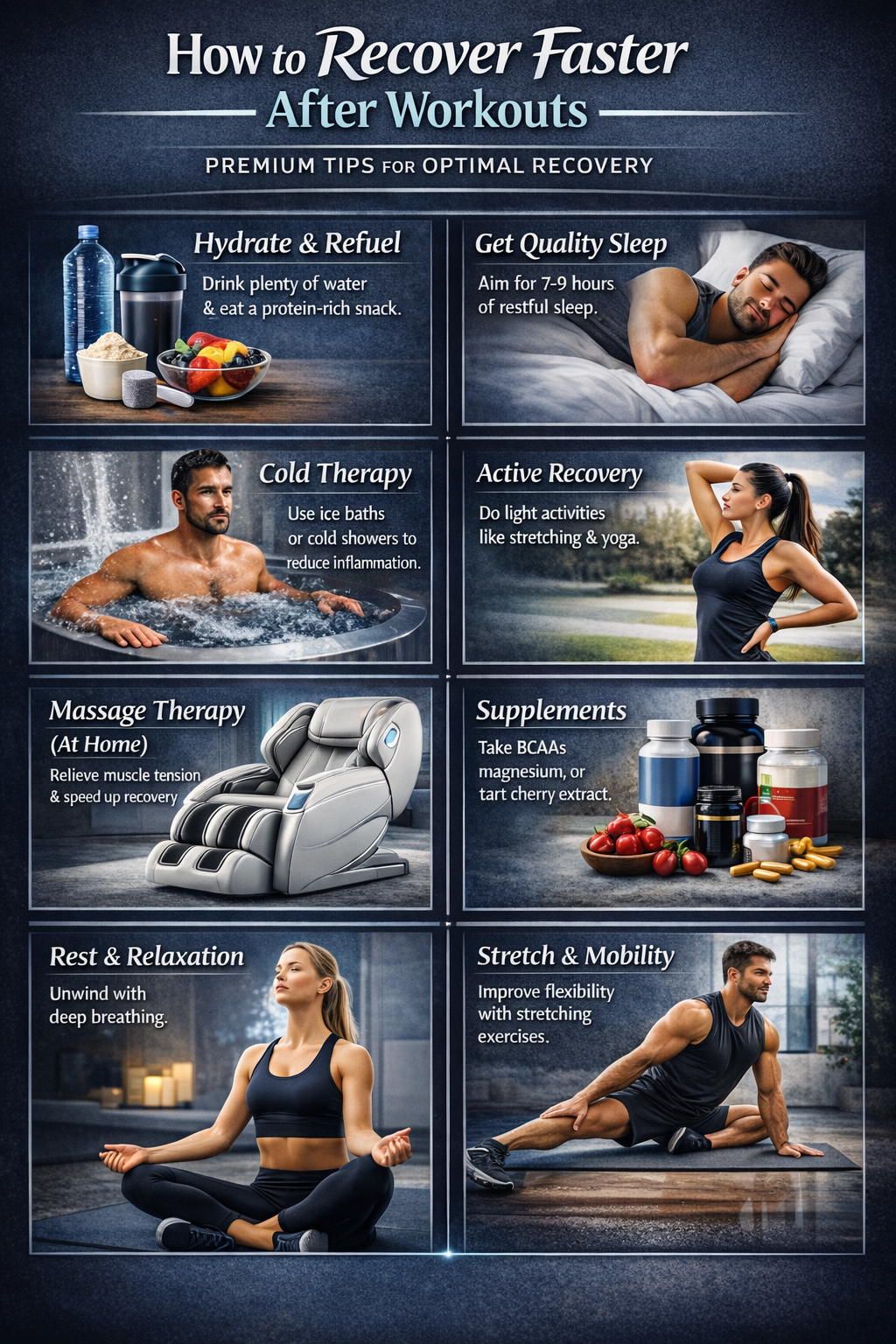
For some people, recovery might focus on:
- Rest and better sleep
- Gentle movement and mobility
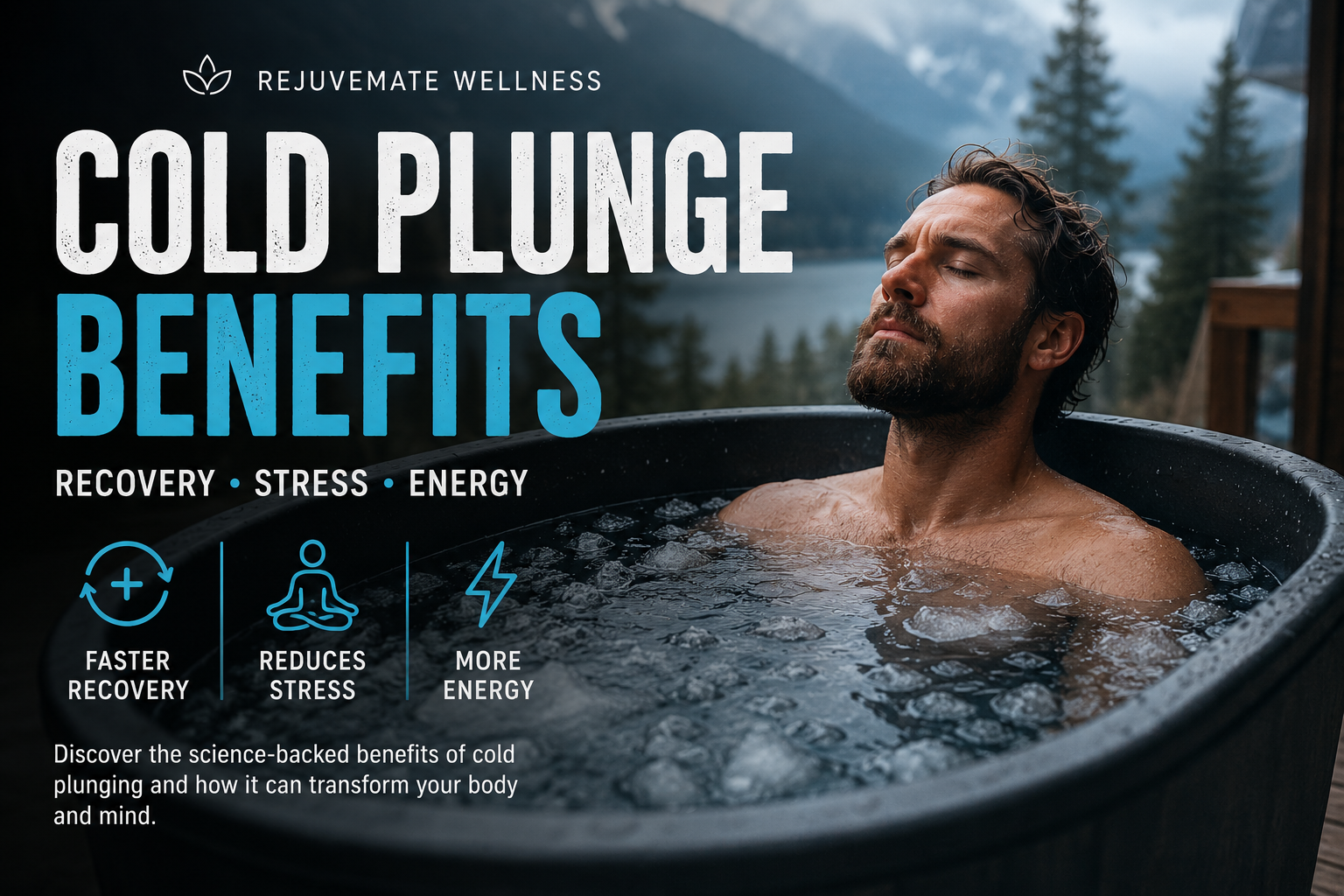
- Heat or cold to manage stiffness or irritation
- Tools that support circulation and relaxation
Ultimately, the goal isn’t to do everything, but to choose what helps your body respond better over time.
Consistency matters more than intensity
Recovery doesn’t need to be extreme to be effective. Small, consistent habits usually outperform occasional big efforts.
Simple recovery practices done regularly can:
- Help reduce unnecessary tension
- Support smoother movement
- Improve how the body feels day to day
When recovery becomes part of your routine, it’s easier to stay active without constantly feeling run down.
Recovery helps you stay active long term
Staying active isn’t just about today’s workout. It’s about still moving well months and years from now. Recovery supports longevity by helping the body manage stress without burning out.
When recovery is respected, activity feels more sustainable and less like a constant battle with soreness or fatigue.
A balanced approach
Recovery isn’t about doing more. It’s about doing what supports your body best. Paying attention to how you feel, adjusting when needed, and using the right tools at the right time can make staying active feel more natural and enjoyable.
Staying active and recovering well go hand in hand. One doesn’t work properly without the other.