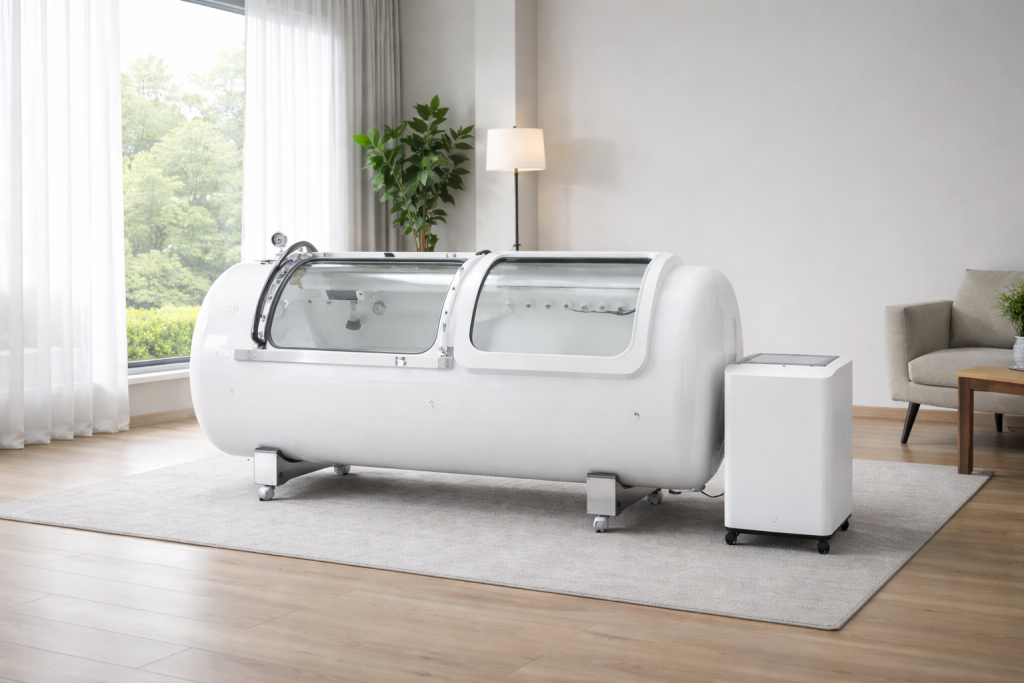
Recovery does not always look like soreness after a workout. Sometimes it shows up as lingering fatigue, slower bounce back after effort, or the sense that rest alone is no longer enough.
When this happens, some people begin exploring additional ways to support recovery. Hyperbaric oxygen therapy is one option that often comes up in these conversations, particularly among people focused on long term wellness rather than quick fixes.
This article looks at how HBOT is commonly explored in relation to recovery and fatigue, and how it fits into a broader, balanced approach.
When recovery feels slower
Fatigue can build quietly. It may follow periods of physical training, travel, stress, or long work hours. For others, it appears even when sleep and nutrition are already prioritised.
Recovery is influenced by many systems working together, including circulation, stress response, and how efficiently the body produces and uses energy. Because oxygen plays a role in these processes, interest in oxygen based recovery tools often begins here.
HBOT is usually explored as a supportive practice rather than a solution on its own.
Why HBOT enters the conversation
Hyperbaric oxygen therapy involves resting in a pressurised environment where oxygen availability is increased. This environment is often described as supporting circulation and tissue oxygenation, which are commonly linked to recovery processes.
People approach HBOT for different reasons. Some are navigating periods of heavy training or demanding schedules. Others are simply looking for ways to feel more resilient and less run down over time.
Rather than being about intensity, HBOT is often discussed in terms of consistency and routine.
HBOT and fatigue
Fatigue is rarely caused by a single factor. It can be influenced by sleep quality, stress levels, nervous system balance, and how the body responds to repeated demands.
Research interest around HBOT and fatigue often centres on how increased oxygen availability may support these interconnected systems. Experiences vary, and changes are often described as subtle rather than immediate.
For this reason, HBOT is typically approached gradually, with attention paid to how the body responds over time.
The role of rest and the nervous system

HBOT sessions themselves are usually quiet and still. Many people rest, read, or simply lie comfortably during sessions. For some, this uninterrupted pause becomes an important part of the experience.
There is also growing interest in how calm environments and reduced stimulation may support nervous system regulation. While oxygen delivery is central to HBOT, the act of slowing down may also contribute to how people experience it.
How HBOT fits into a recovery routine
Most people who explore HBOT do so alongside other recovery practices rather than in isolation. These often include prioritizing sleep, managing stress, balancing training and rest, and using heat-based recovery tools.
If you’re exploring heat-based recovery, you may find our comparison of infrared sauna vs traditional sauna helpful. And if you’re deciding between warmth and cold for day-to-day recovery, our guide on heat vs ice for recovery offers a simple place to start.
HBOT is rarely treated as a one-time experience. Many people focus less on promises and more on how it fits into their routine over time.
Setting realistic expectations
HBOT is not typically described as dramatic or fast acting. When changes are noticed, they are often gradual and become clearer with regular use.
Approaching HBOT with patience and realistic expectations can help people decide whether it aligns with their recovery goals and lifestyle.

Putting it into context
HBOT is one of many tools people explore when recovery feels slower or fatigue becomes harder to manage. It is best understood as a supportive environment rather than a replacement for rest, movement, or sleep.
Learning how HBOT works and how people use it in different settings can help you decide whether it is something you want to explore further.