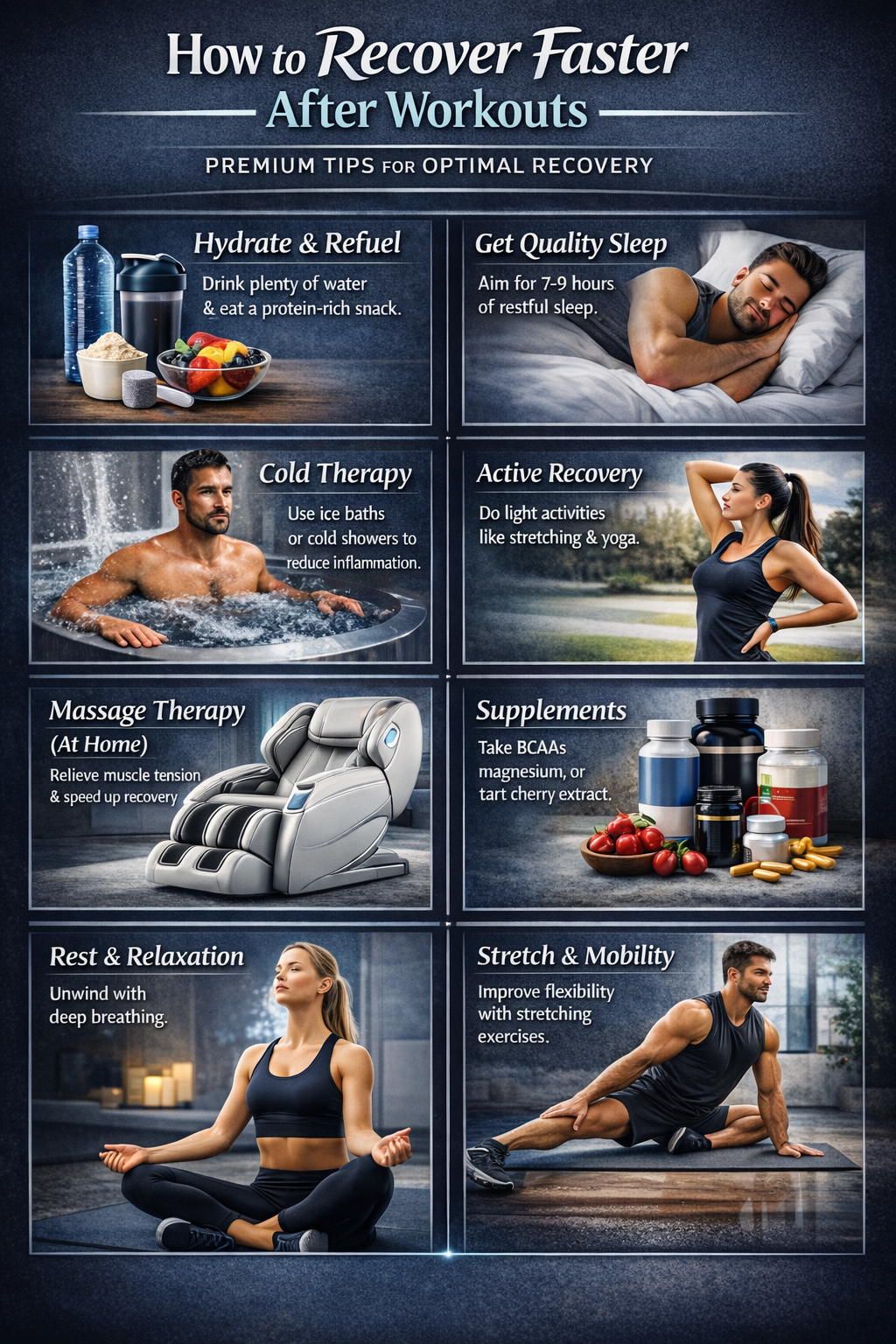
Nobody likes feeling sore, even if it is a positive thing. You train hard, work long days, or push your body physically, and the next day everything feels tight, sore, and sluggish. Then you go online looking for answers and suddenly there’s a million different opinions on what you should be doing.
Honestly, recovery doesn’t need to be that complicated.
A lot of the basics work really well when you stay consistent with them. This is just a simple breakdown of what’s actually helped me and what genuinely seems to make a difference, especially if you’re recovering at home.
Why muscles get sore in the first place
When you train or do anything physical, you’re putting your muscles under stress. That creates small amounts of damage, and your body then has to repair that damage, hence the tight stiff muscles when you first wake up the next morning.
That repair process is part of what makes you stronger, but it’s also what makes you feel sore.
So the goal is to make recovery easier and more accessible at home, no matter where you’re at in life.
You might be an athlete trying to recover properly for your next session or race or competition. You might work long physical days and just want your body feeling better again. You might be a parent constantly on the go, or someone simply wanting to stay mobile, active, and more pain free.
At the end of the day, recovery is really just about feeling better, moving better, sleeping better, and looking after your body properly long term.
It doesn’t need to be complicated either. Simple routines, consistency, and finding tools you genuinely enjoy using usually go a lot further than people think.
Movement is the first thing to fix
Most people get this wrong.
You feel sore, so you sit still all day. Usually that just makes it worse.
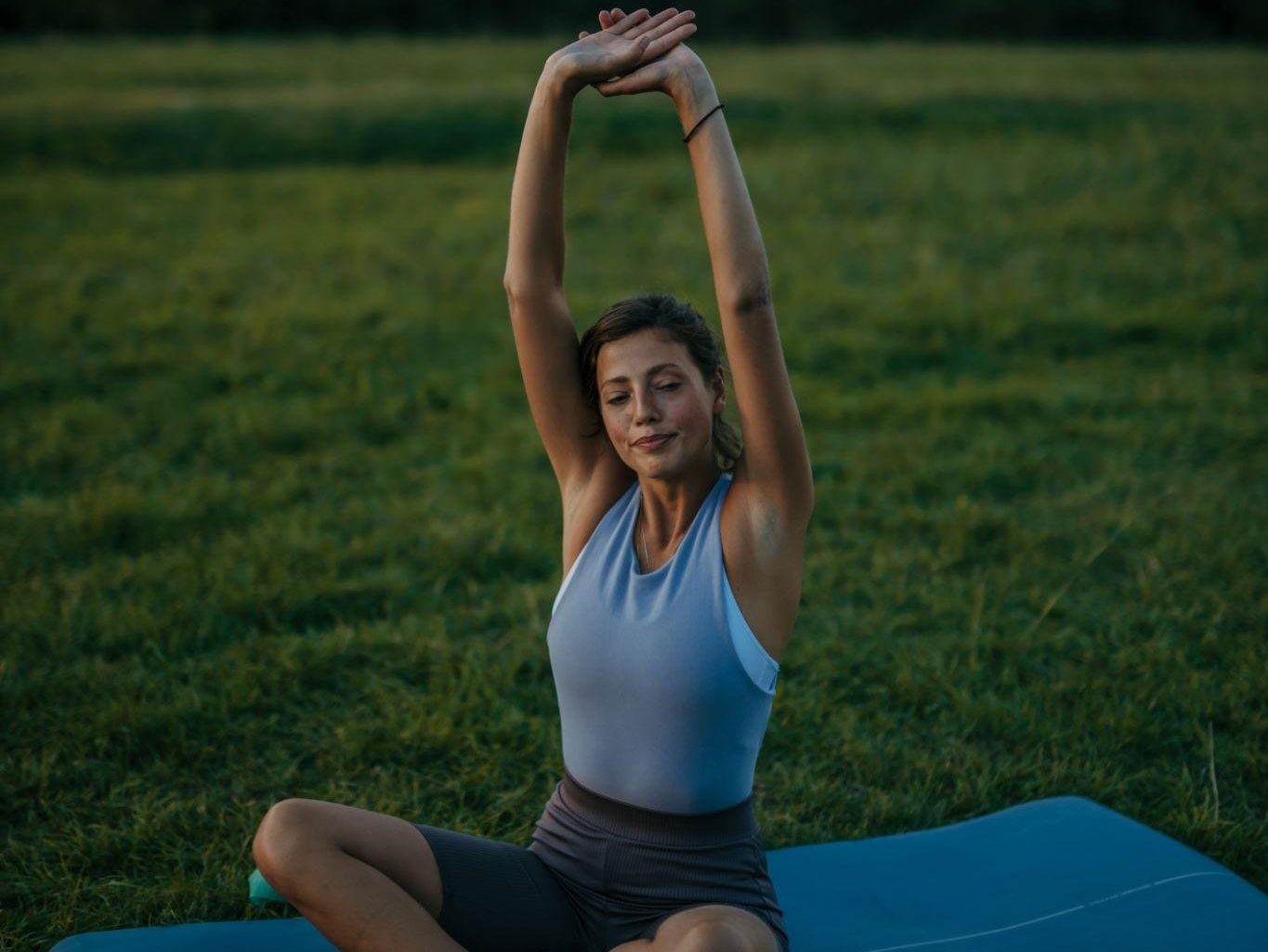
Honestly, even a short walk helps.
Light stretching, easy cycling, getting outside for 20 minutes. Sometimes that’s enough to stop your body tightening up completely.
Heat and cold
People always ask this.
Should you use heat or ice?
Honestly, both have their place.
Cold is usually better straight after hard sessions when everything feels inflamed.
Heat is better later on when you’re stiff and tight and just want to loosen everything up a bit.
If you want a proper breakdown, I’ve gone into it more here.
Heat vs Ice for Recovery: What Actually Helps
What I tend to do myself
What I’ve found works well, especially when you’re properly sore, is keeping it simple and just alternating heat and cold.
Most of the time I’ll run a hot bath, sit in that for a bit, then jump into a cold shower after.
If you don’t have access to a cold plunge, you can still do this at home.
For example:
10 to 15 minutes in a hot bath
then 1 to 3 minutes cold (shower or ice bath)
You can repeat that a couple of times if you want, or just do one round depending on how you feel.
Some people prefer cold first, then finish with heat afterwards. Its what feels best for you.
Cold is better when you’re really inflamed and sore
Heat is better for relaxing and loosening everything up
Both work, it just comes down to reducing soreness and getting your body moving properly again.
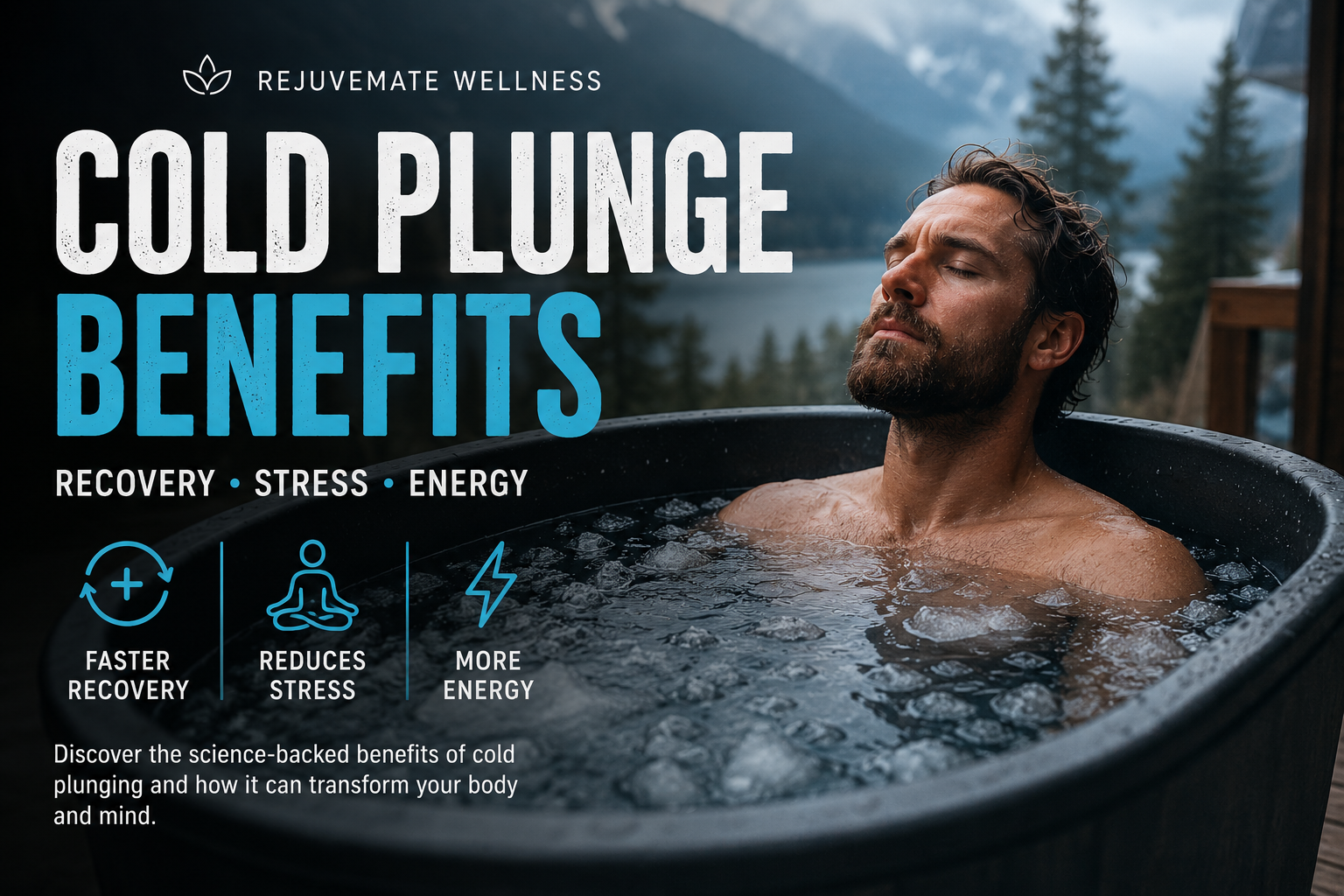
Cold plunge (simple but effective)
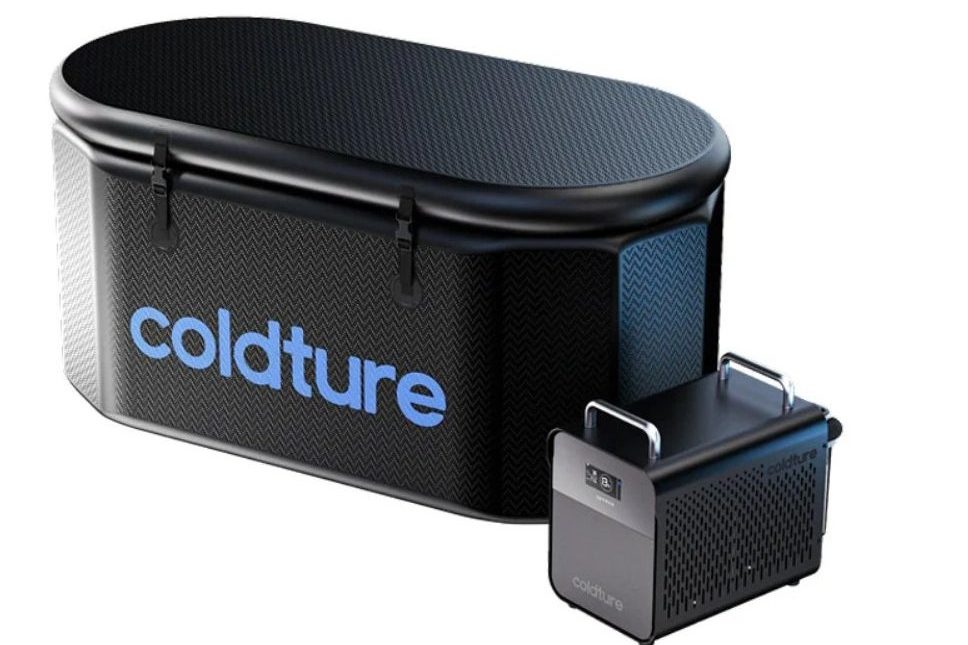
Cold plunges have got popular for a reason.
They can help reduce soreness and inflammation, and honestly just help your body recover quicker after hard training, long work days, or intense exercise.
Shocking the nervous system with cold water has also been linked to reduced stress levels, better focus, improved sleep, and a clearer head mentally. Some people even find it helps reduce cravings and improves overall mood once it becomes part of a routine.
A lot of people now use cold plunges not just for recovery, but for the overall feeling afterwards. More energy, better focus, improved sleep, less stress, and simply feeling more switched on day to day.
Personally, I always feel more energised afterwards. I sleep better and my head feels clearer.
You don’t need anything over the top either. Even a simple setup at home can make a noticeable difference once you stay consistent with it.
A lot of people now pair cold plunges with saunas or hot baths and alternate between heat and cold therapy.
I’ve linked one of the cleaner setups I’d personally recommend. Check it out HERE
Sauna for recovery
Sauna is one of the easiest things to stay consistent with.
You don’t need to overthink it. Just sit, relax, and let your body do its thing.
It helps with circulation, muscle relaxation, and switching off mentally.
A lot of people are now setting these up at home instead of relying on gyms or spas.
I’ve broken that down here. How People Use Sauna for Recovery and Daily Wellness
Massage chairs
I honestly didn’t think much of massage chairs at first.
Most of the older ones felt awkward, missed the spots you actually wanted, or just felt gimmicky.
But after using one of the newer ones properly, I felt amazing afterwards, which honestly made me want to talk about them like I am now.
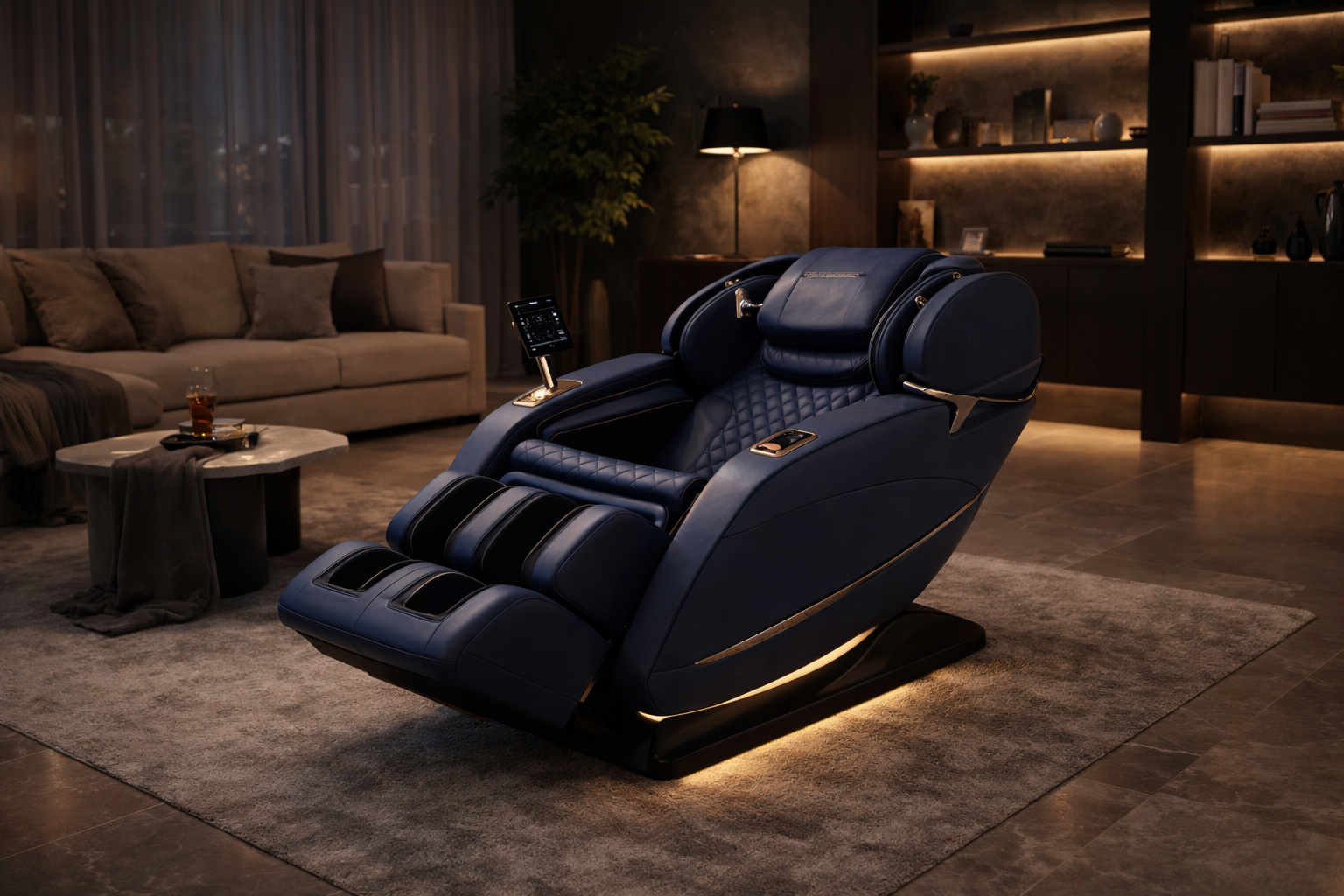
I used one that actually hit all the spots properly, adjusted to my body well, and genuinely helped loosen everything up.
The technology has come a long way with these now. They don’t feel awkward and clunky like the older ones you would find in a shopping mall or near the arcades.
Honestly, some of them are unreal. You sit down thinking it’ll probably be average, then get up feeling completely different afterwards.
And the best part is the convenience of having one at home.
You don’t have to book anything.
You don’t have to drive anywhere.
You just sit down, switch it on, and use it whenever you need it.
That’s what makes it easy to stay consistent with as I believe now they are a game changer.
If you’re considering one, I’ve broken down some of the best options here. Best Massage Chairs for Home Recovery
Hyperbaric oxygen
This is definitely more of an advanced recovery therapy, but it’s still worth knowing about.
The idea behind hyperbaric oxygen therapy is increasing oxygen levels inside a pressurized chamber, helping saturate the body’s cells with more oxygen to support recovery and healing.
I’ve explained it more in What Is Hyperbaric Oxygen Therapy (HBOT)
It’s not something everybody needs, but it’s definitely becoming more common within recovery and wellness setups now.
If you’re curious about what’s actually worth looking at, I’ve broken down some of the better home options here.
Don’t ignore the basics
None of this works properly if you skip the basics.
You still need:
- good sleep
- the right food
- proper hydration
The tools help, but they don’t replace these.
Supplements (keep them simple)
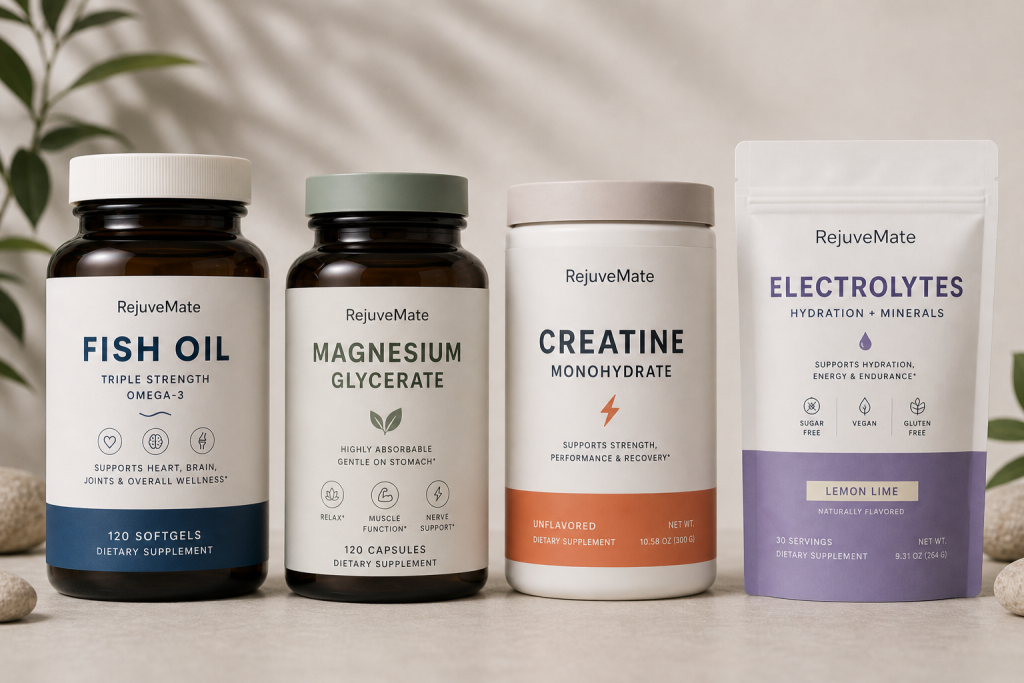
You can always support your recovery with a few natural supplements.
Nothing crazy, just a few things I’ve found actually help.
The science is out there now, these things do work when they’re used consistently.
For me, magnesium has been one of the better ones. Especially after long days or training, it helps my muscles and nervous system relax and just stops everything from feeling as tight, especially my calves.
Electrolytes help as well. Even something simple like adding a bit of Himalayan salt to your water can make a difference if you’re sweating a lot or just feel run down.
You don’t need loads of supplements, just a couple you’ll actually use consistently.
If you want to keep it simple, I’ve linked a few solid options below that I personally use and rate for recovery.
Creatine
Creatine is one I keep consistent with.
It helps with strength, recovery, and even things like brain fog. It’s something your body produces naturally, but most people don’t really get enough through diet, so topping it up can make a noticeable difference. Check it out HERE
Magnesium
Magnesium is probably the one I notice the most day to day.
It helps with sleep, relaxing the muscles, and just calming everything down, especially after long days or training. It’s one of the easiest wins when it comes to recovery.
See options HERE
Fish Oil
Fish oil is great it helps keep joints moving properly and just takes the edge off when you’re feeling stiff or beat up. Also has solid benefits for heart health, so it’s a good all rounder.
Take a look HERE
Electrolytes
Electrolytes can be useful, but they’re not something you need to rely on all the time.
Water should always be your base. That said, if you’re training hard, sweating a lot, or just feeling run down, adding a simple electrolyte mix can help with hydration and keeping things balanced.
The main thing is to keep it clean. I’ve linked a solid option here with minimal ingredients, low or no sugar, and none of the unnecessary extras.
Check it out HERE
Keep it simple
Most people make recovery way more complicated than it needs to be.
Even after hard training or physical work, your body usually responds well to simple movement. A walk, a swim, light stretching, even just getting outside and moving around a bit can help more than sitting still all day.
Protein matters a lot as well. If you’re training hard or doing physical work regularly and not eating enough protein, recovery is always going to feel slower. Most active people should probably be aiming for somewhere around 100–180g a day depending on body size and activity levels.
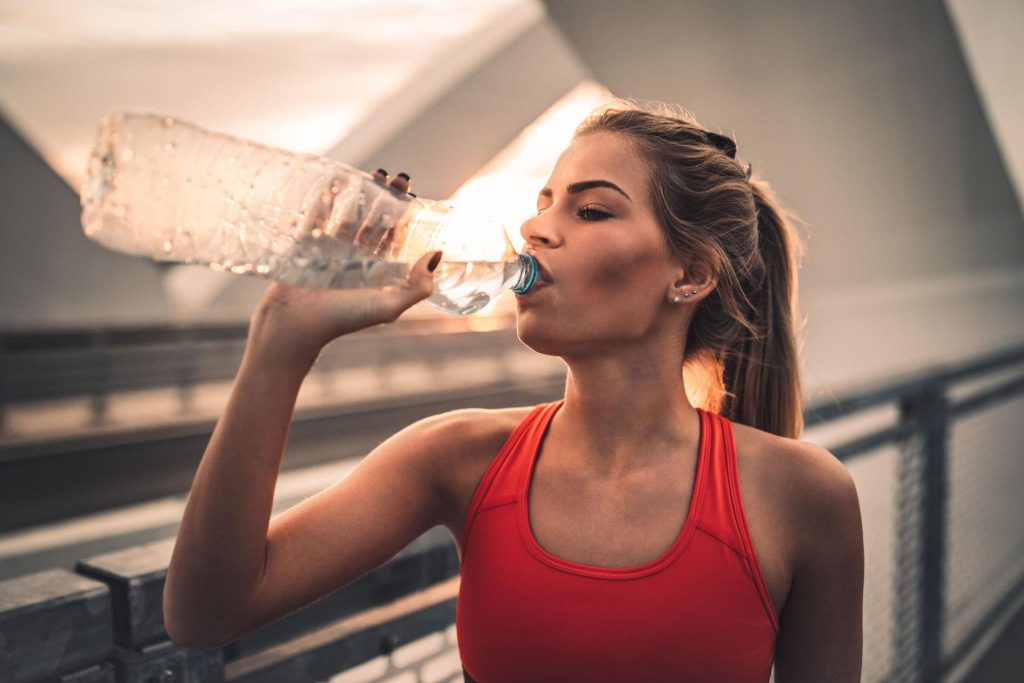
Same with hydration. If you’re dehydrated, everything just feels tighter, stiffer, and more sluggish. Electrolytes can make a big difference too, especially if you sweat a lot, train hard, or use saunas regularly.
Use tools and equipment you actually enjoy using and can stay consistent with them. Oh, and get proper SLEEP!
Personally, I enjoy using saunas. I like cold plunges as well, even if mine is sometimes just jumping into the cold creek.
Supplements can help too. They’re not replacing the basics, but some definitely help support recovery. The ones I’ve listed in this article are some I personally take and have found genuinely helpful over time.
To summarise
Sore muscles are normal. Most of the time it just means your body is adapting.
The goal isn’t to chase every new recovery method or overcomplicate things. It’s just to recover well and find things you genuinely enjoy doing and can stay consistent with.
Some people really enjoy saunas. Other people would rather sit in a hot bath or jacuzzi instead.
Same with movement. If you don’t enjoy yoga, don’t force yourself to do yoga. Go for a walk, swim, stretch, do calisthenics, whatever feels good for your body.
Recovery doesn’t need to feel like a chore. Take your time with it, enjoy the process, and find what works best for you.
If you’re interested in building a simple recovery setup at home, I’ve also started putting together some of the best recovery tools, saunas, massage chairs, cold plunges, and home wellness options I’d personally recommend with the button below.